

THE SCENE
If Lisbon is Portugal's golden girl, Porto is her moodier, more soulful sister. This is a city built of granite and stubbornness, stacked in tiers above the Douro, where baroque towers rise out of river mist and the light arrives sideways off the Atlantic, silvery in the morning, molten by six in the evening. Porto does not perform for you. It lets you in slowly, over a glass of tawny, and then it never quite lets you go. As part of our journey through A Paradise Called Portugal, we spent a long weekend doing it properly. Here is how we would hand it to a friend.
Friday, Dusk: Check In on the Quiet Side of the River
Stay in Vila Nova de Gaia, facing Porto rather than inside it, and the whole city becomes your view. The Rebello, a former textile factory turned five-star hotel on the Gaia riverfront, is our first choice: loft-like suites in concrete and warm timber, a rooftop that looks straight across the water at the tumble of the Ribeira, and a spa Condé Nast Traveller called immediately cocooning. Wallpaper* filed it under industrial chic; we would simply call it the most fashionable address on the Douro. If you would rather sleep on the Porto side, Torel Avantgarde hangs off the hillside above the river, an art-filled five-star where every room is dedicated to a Portuguese creative and the terrace at breakfast feels like a box seat at the opera. Drop your bags, order a white port and tonic, and watch the rabelo boats go dark on the water.
Friday Night: Dinner at Cozinha das Flores
Porto's new-wave table of record sits at the foot of Rua das Flores. Cozinha das Flores is Nuno Mendes coming home: the Lisbon-born chef who shaped London's dining scene now cooking northern Portugal over an open fire, in a dining room of Zellige-green tiles and low light. The counter seats are the ones to book. Expect dishes that read simply, prawn rice, aged beef, seaweed butter, and land with the precision of someone who has run Michelin kitchens on two continents. It is confident, sensual cooking, and it sets the tone for the weekend: tradition, worn lightly.
Saturday, Early: Lello Before the City Wakes
Livraria Lello is the most beautiful bookshop in the world and everyone knows it, which is precisely the problem. The insider's move is not to skip it but to time it. Book the first slot online, be at the door at 9am sharp, and for a few minutes the crimson staircase, the stained-glass skylight and the carved neo-Gothic galleries are almost yours. The ticket, from 10 euros, is fully deductible against a book, so leave with Pessoa in English and consider it the best-spent entry fee in Portugal. By 10am the queue snakes down the street; by then you should already be gone.

Livraria Lello
Mid-Morning: Coffee at Época
Skip the hotel's second coffee and walk to Rua do Rosário, the axis of Porto's arts district, where Época has quietly become the city's benchmark for breakfast. It is a small, plant-edged room with a kitchen philosophy that would not be out of place in Melbourne or Copenhagen: seasonal produce, house-baked sourdough, silky flat whites, plates that look effortless and taste considered. Around it cluster the galleries and ateliers of Miguel Bombarda, worth a slow browse before lunch.
Saturday Afternoon: The Feeting Room and the Art of Portuguese Retail
Porto's best fashion moment hides behind four stone archways at Largo dos Lóios, a minute from the Avenida dos Aliados. The Feeting Room is the concept store that taught the city to shop differently: two hundred square metres of white stone and timber beams, stocked with Portuguese designers and emerging labels alongside a tight edit of international brands, with SO Coffee Roasters pulling espresso at a communal table inside. It is the place to find the thing nobody back home will have. From there, drift down Rua das Flores as the afternoon light turns the granite honey-coloured.
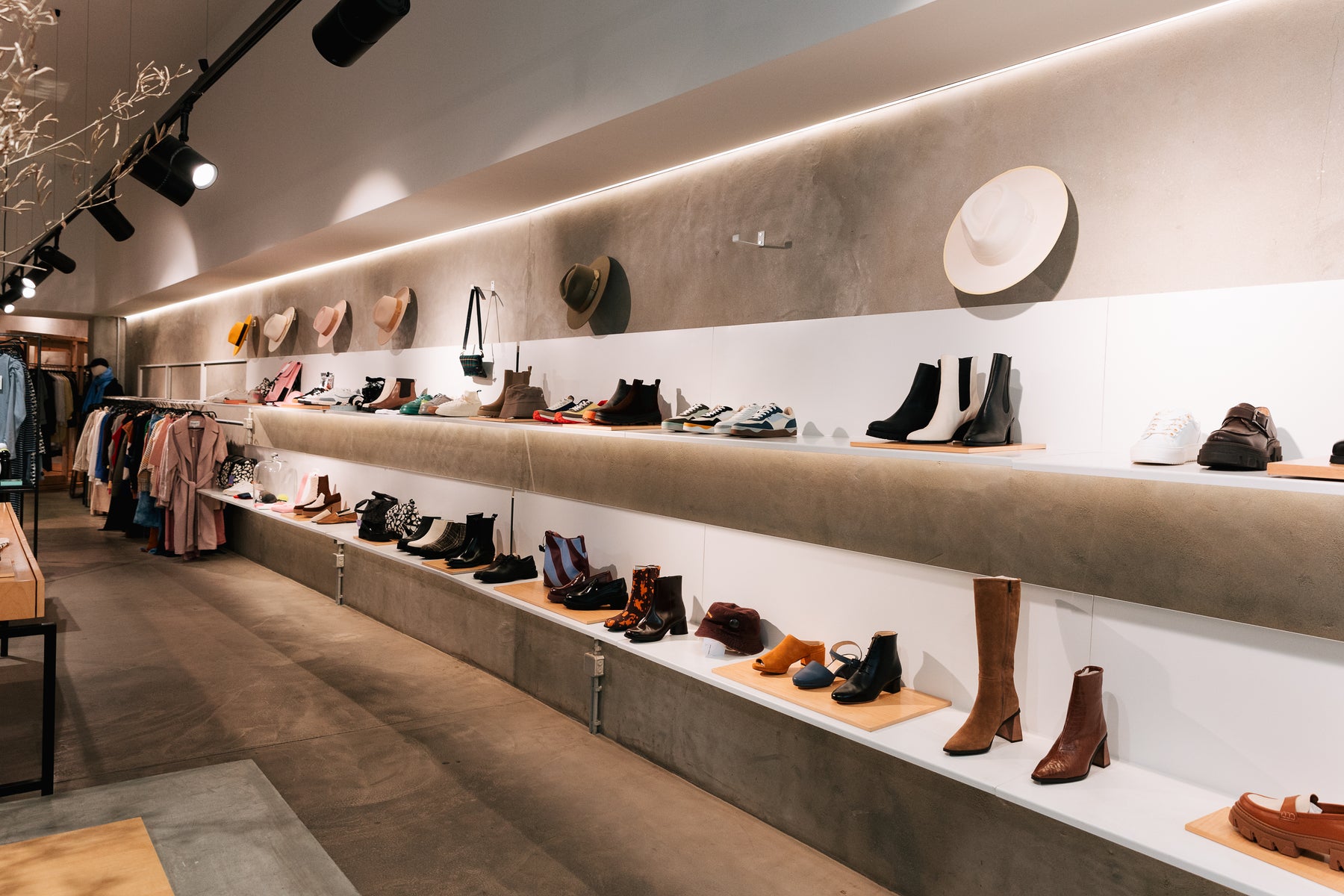
The Feeting Room
Golden Hour: The Bridge, the Garden, the Glass of Tawny
At six, walk the upper deck of the Dom Luís I bridge, Gustave Eiffel's school of iron lace, sixty metres above the river, to Jardim do Morro on the Gaia side. This is Porto's golden-hour amphitheatre: the whole city glowing across the water while someone inevitably plays guitar. Then descend to the Gaia waterfront for port done the insider's way. Skip the big coach-tour lodges and take a seat at Casa Kopke on Avenida Diogo Leite, the tasting room of the oldest port house of them all, founded in 1638. Here port is served like fine wine: seated, unhurried, aged colheitas paired with single-origin chocolates. If the Atlantic weather turns, the WOW cultural district up the hill holds seven museums and a serious wine school under one roof.
Saturday Night: Casa de Chá da Boa Nova
For the icon, leave the city entirely. Twenty minutes north, on the rocks at Leça da Palmeira, sits Casa de Chá da Boa Nova, the 1963 teahouse by Álvaro Siza, Portugal's Pritzker laureate, restored as the two-Michelin-star home of chef Rui Paula. The building is built into the boulders, so close to the water that spray hits the glass; the tasting menus are an ode to the Atlantic outside. Dinner here, with the sun dissolving into the sea mid-service, is the single most memorable table in northern Portugal. Book weeks ahead and ask for the window.
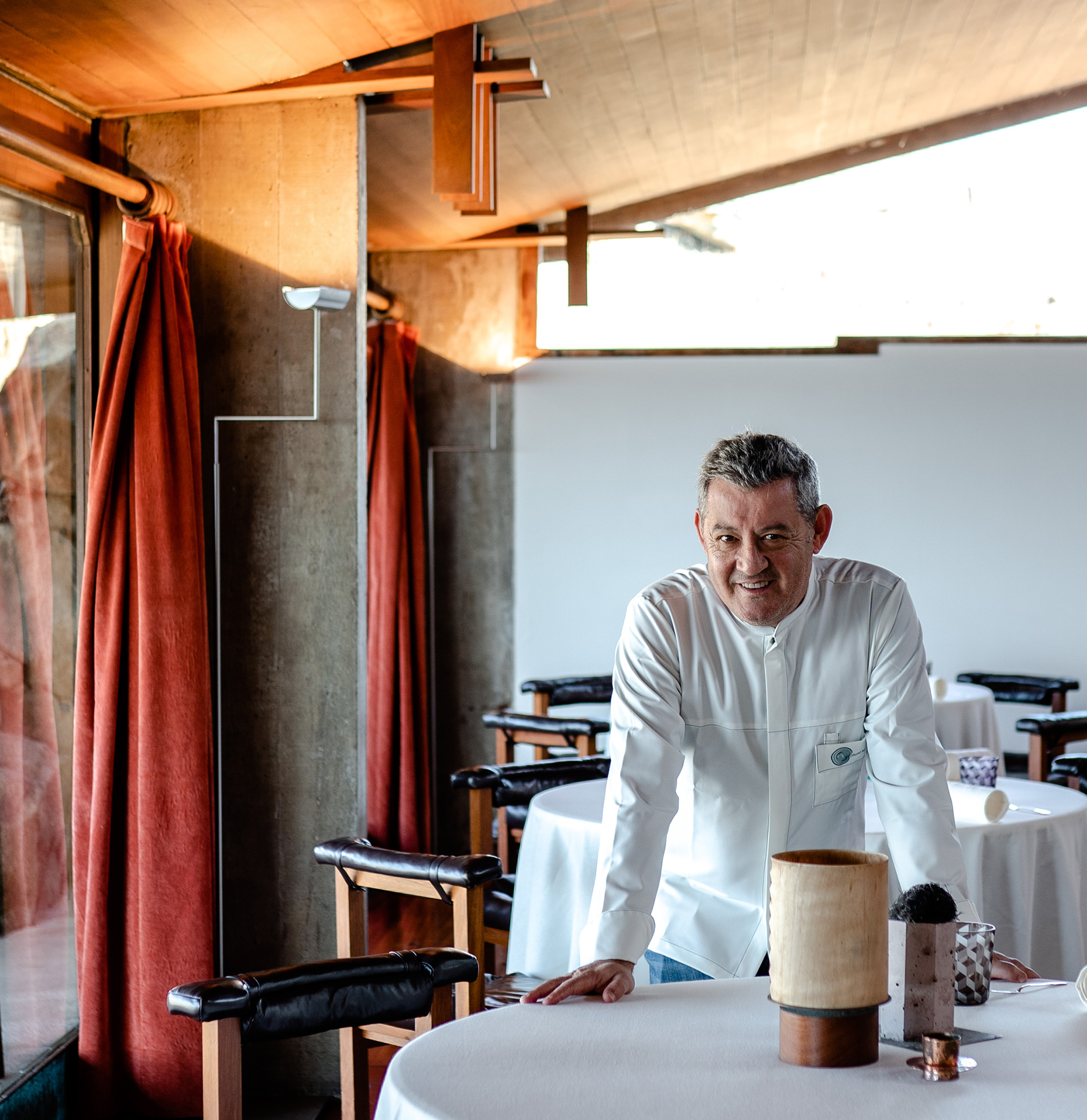
Casa de Chá da Boa Nova
Sunday: Foz, Where Porto Meets the Ocean
Sunday belongs to Foz do Douro, the elegant seaside quarter where the river finally gives itself to the Atlantic. Take the vintage tram or a taxi to the Pérgola da Foz, the 1930s colonnade said to be built because the mayor's wife fell for the Promenade des Anglais, and walk the seafront past lighthouses and tidal pools. The brave swim at Praia dos Ingleses or Praia do Homem do Leme; the water is bracing even in August, which is rather the point. Dry off over a long lunch and let the afternoon dissolve. This is where Porto's grandes dames walk their dogs and their pearls, and where we understood the city best.
If You Can Steal a Monday: The Douro Valley
Give Porto a third day and it gives you the Douro. The train from São Bento, itself a hall of twenty thousand blue azulejos, runs along the river for the final hour into Pinhão, a journey Lonely Planet ranks among Europe's most beautiful. Step off almost directly into Quinta do Bomfim, the Symington family's riverside estate and a Best of Wine Tourism global winner, for a vineyard walk, a terrace tasting of aged tawnies, and lunch at Bomfim 1896 above the vines. Prefer salt to schist? Do as Porto does on Sundays and head instead to Matosinhos, where whole fish grill on charcoal along Rua Heróis de França, minutes from Boa Nova.
What to Wear: Gold Against Granite
Porto asks for layers and rewards polish. The Atlantic edits the weather hourly, so we pack a trench over silk, a fine knit for the river breeze, flat shoes that can argue with cobblestones and win. The city's palette is granite grey, azulejo blue, port-wine red, and nothing lifts it like gold: fine jewellery catches this sideways Atlantic light the way the barrel houses catch the evening sun. A swimsuit belongs in the bag even in October, worn under linen for a dare at the Foz tidal pools. Dress like the city, in other words: quietly, in things made to last, with one detail that gleams. It is the same eye we bring to a city read through someone who lives it, the way we read Rio in Rio Through Manu Malheiro.
FAQ
How many days do you need in Porto?
Is Porto walkable, and how bad are the hills?
When is the best time of year to visit?
Porto or Lisbon?
"LISBON DAZZLES; PORTO STAYS WITH YOU. GRANITE, PORT BARRELS, ATLANTIC LIGHT. IT LETS YOU IN SLOWLY, OVER A GLASS OF TAWNY, AND NEVER QUITE LETS YOU GO."
— The SG Edit
SHOP THE STORY


